increase factory space

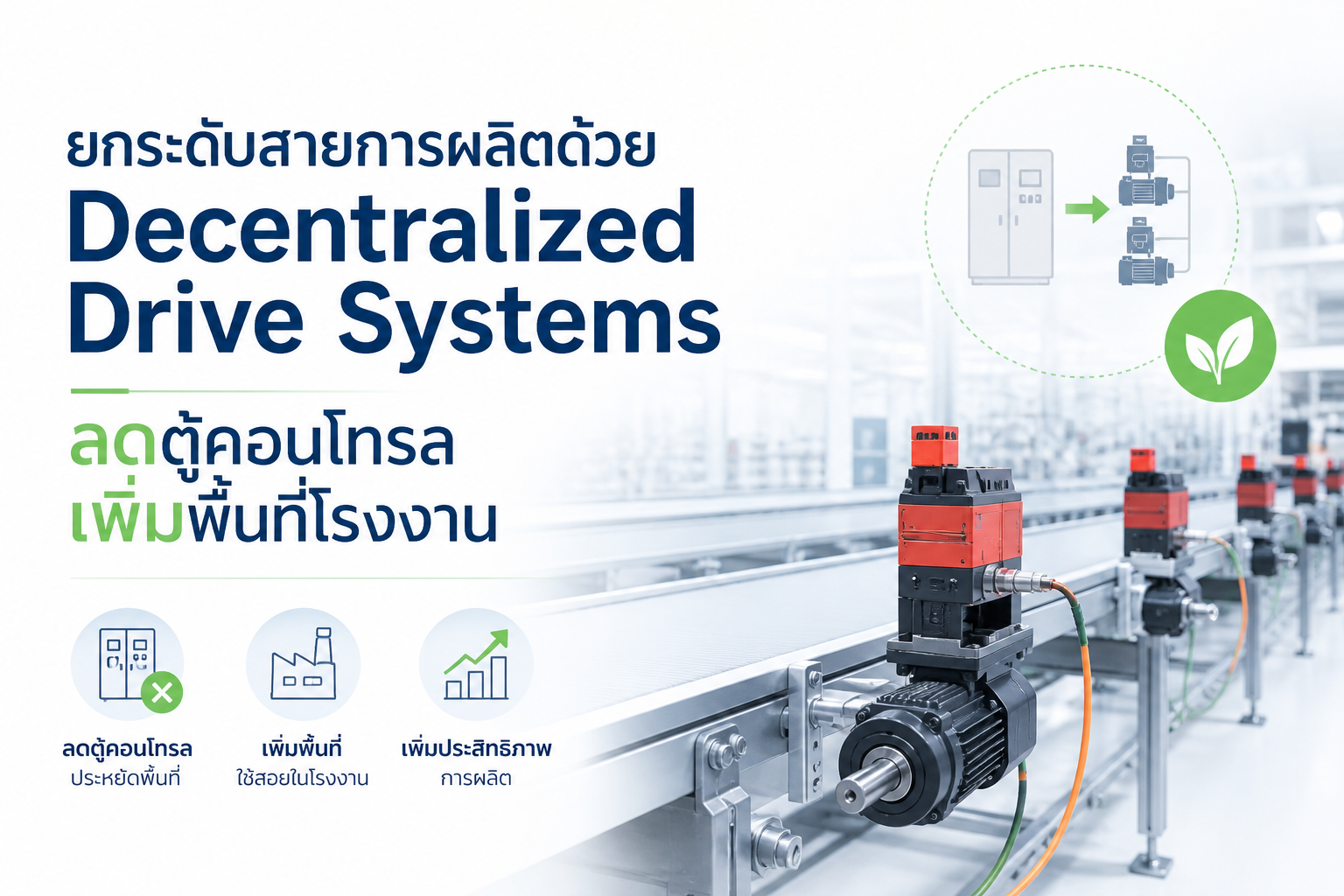
In an industry focused on maximum agility and efficiency, traditional centralized control systems, which integrate everything into large control cabinets, are becoming limiting. Adopting decentralized drive systems—distributing drive units across the production line—is a crucial turning point, overcoming space constraints and significantly increasing flexibility for future system expansion.

The most obvious advantage is the reduction or elimination of central control cabinets. This is achieved by relocating inverters or control units from crowded air control cabinets and mounting them directly onto motors or near the motors at their point of use. This saves a tremendous amount of space in the factory, freeing up room for additional machinery or improving walkways for safer and more convenient employee work.

Beyond space savings, decentralized systems also reduce cabling costs. By eliminating the need for long cable runs from a central control cabinet to every motor, shorter connections via bus systems or power links are used. This not only reduces wiring and cable tray costs but also minimizes electromagnetic interference (EMC) and energy loss in cables. This results in a more stable and precise control system.

In terms of maintenance, this system allows for quick and accurate diagnostics. When a malfunction occurs at a specific point, technicians can immediately inspect the driven unit at that point without affecting the majority of the system. The modular design also simplifies future parts replacement or production line expansion by simply connecting additional drive units to the existing system. Switching to a decentralized system is therefore an investment that reduces initial costs and increases profits through continuous and long-term production efficiency.

ในยุคที่อุตสาหกรรมมุ่งเน้นความคล่องตัวและประสิทธิภาพสูงสุด การออกแบบระบบควบคุมแบบเดิมที่รวมทุกอย่างไว้ในตู้คอนโทรลขนาดใหญ่ (Centralized Control) เริ่มกลายเป็นข้อจำกัด การก้าวเข้าสู่ระบบ Decentralized Drive Systems หรือการติดตั้งชุดขับเคลื่อนกระจายตัวไปตามจุดต่างๆ ของสายการผลิต จึงเป็นจุดเปลี่ยนสำคัญที่ช่วยทลายข้อจำกัดด้านพื้นที่ และเพิ่มความยืดหยุ่นในการขยายระบบงานในอนาคตได้อย่างดีเยี่ยม

ข้อดีที่เห็นได้ชัดที่สุดคือ การลดขนาดหรือยกเลิกตู้คอนโทรลกลาง โดยการย้ายอินเวอร์เตอร์ (Inverter) หรือชุดคอนโทรลออกจากตู้แอร์คอนโทรลที่แออัด แล้วนำไปติดตั้งเข้ากับตัวมอเตอร์โดยตรง (Motor-Mounted) หรือติดตั้งใกล้กับมอเตอร์ในจุดใช้งานจริง วิธีนี้ช่วยประหยัดพื้นที่ในโรงงานได้มหาศาล ทำให้มีพื้นที่เหลือสำหรับวางเครื่องจักรเพิ่มเติมหรือปรับปรุงทางเดินให้ปลอดภัยและสะดวกต่อการทำงานของพนักงานมากขึ้น

นอกจากเรื่องพื้นที่แล้ว ระบบ Decentralized ยังช่วย ลดความยุ่งยากและค่าใช้จ่ายในการเดินสายไฟ (Cabling Cost)เนื่องจากไม่จำเป็นต้องลากสายเคเบิลยาวๆ จากตู้คอนโทรลกลางไปยังมอเตอร์ทุกตัว แต่ใช้การเชื่อมต่อผ่านระบบ Bus System หรือสาย Power Link ที่สั้นลง ซึ่งนอกจากจะลดต้นทุนค่าสายไฟและรางเคเบิลแล้ว ยังช่วยลดสัญญาณรบกวน (EMC) และลดการสูญเสียพลังงานในสายเคเบิล ทำให้ระบบมีความเสถียรและแม่นยำในการควบคุมสูงขึ้น

ในแง่ของการบำรุงรักษา ระบบนี้ช่วยให้การ วิเคราะห์ปัญหา (Diagnostics) ทำได้รวดเร็วและตรงจุด เมื่อเกิดความผิดปกติที่จุดใดจุดหนึ่ง ช่างเทคนิคสามารถเข้าตรวจสอบที่ตัวขับเคลื่อนในจุดนั้นได้ทันทีโดยไม่กระทบกับระบบส่วนใหญ่ การออกแบบที่เป็นมดูลาร์ (Modular Design) ยังช่วยให้การเปลี่ยนอะไหล่หรือการขยายสายการผลิตในอนาคตทำได้ง่ายเพียงแค่เชื่อมต่อชุดขับเคลื่อนเพิ่มเข้าไปในระบบเดิม การเปลี่ยนมาใช้ระบบ Decentralized จึงเป็นการลงทุนที่ช่วยทั้งการลดต้นทุนเริ่มต้นและเพิ่มกำไรผ่านประสิทธิภาพการผลิตที่ต่อเนื่องและยาวนา