How to Listen for Sounds and Observe Heat

In industrial machinery, gear motors are crucial for power transmission and speed control. However, neglecting their maintenance can lead to serious damage. Paying attention to even minor signs of malfunction is vital, as early detection can reduce repair costs and prevent sudden production stoppages.

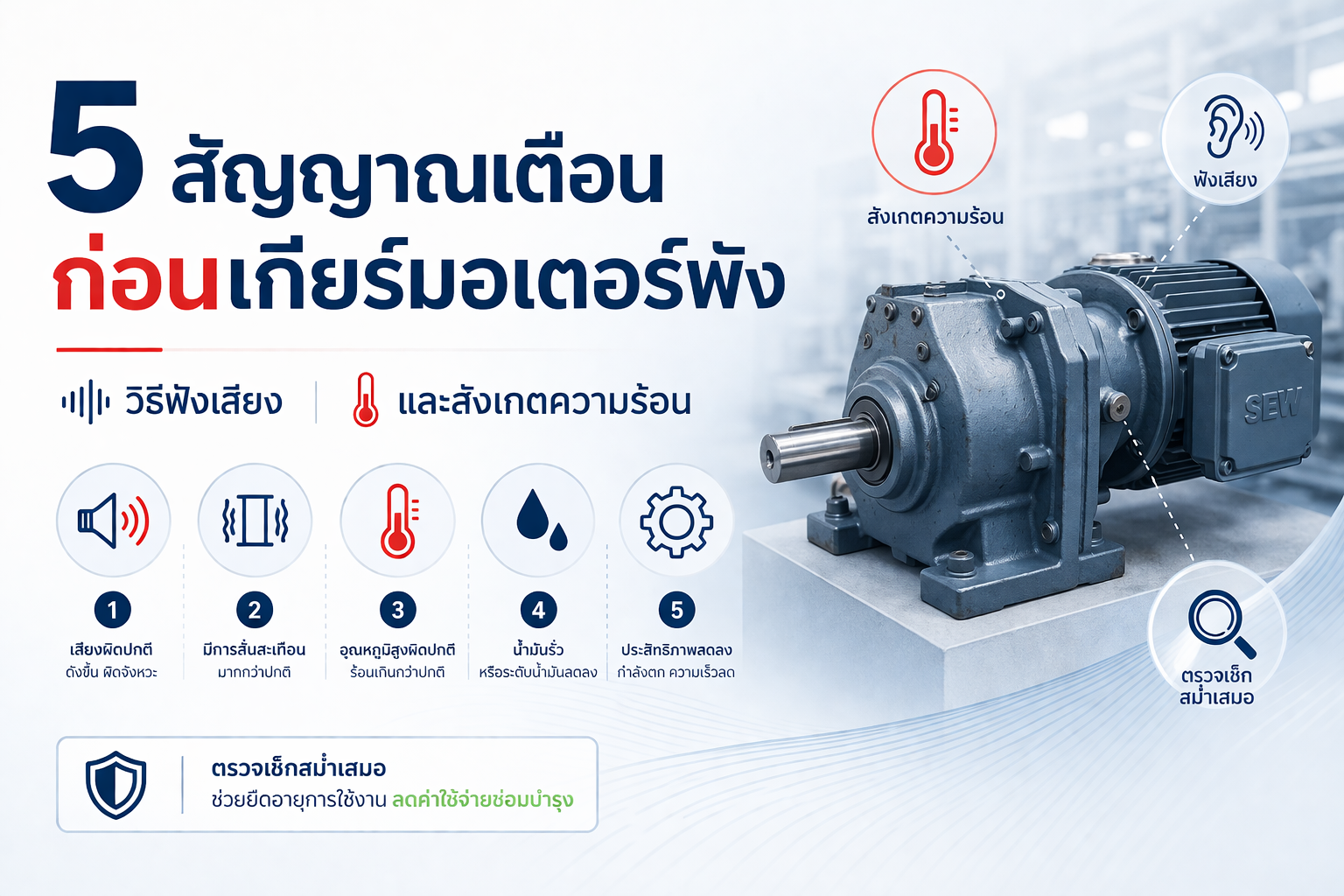
The first and most obvious sign is “abnormal noise.” A perfectly functioning gear motor typically produces a low, consistent humming sound. However, if you hear metallic grinding, clanking, or whining, it could indicate chipped or broken internal gears or worn bearings. Using a long screwdriver to touch the gear housing and listening for internal vibrations is a basic technique to pinpoint the location of damage.

The next sign is “overheating.” While gear motors normally generate heat during operation, if the housing becomes excessively hot to the touch or emits a burning smell, it’s usually due to severe internal friction caused by degraded or dried-out lubricant. Also, inspect the seals regularly. Oil leakage is a dangerous sign of lubrication failure, leading to heat buildup that can eventually melt internal components.

Finally, observe for “vibration and reduced efficiency.” Excessive vibration during operation is often caused by misalignment or loose mounting brackets. This vibration can quickly damage gears and oil seals. If you notice the motor drawing more current while delivering the same power, or experiencing sputtering, assume the gears are nearing failure. Regular maintenance and gear oil changes are the best way to extend the lifespan of your machinery.

ในการทำงานของเครื่องจักรในโรงงานอุตสาหกรรม “เกียร์มอเตอร์” (Gearmotor) เปรียบเสมือนหัวใจสำคัญที่ช่วยส่งกำลังและควบคุมความเร็ว แต่หลายครั้งเรามักละเลยการดูแลรักษาจนนำไปสู่การชำรุดเสียหายอย่างรุนแรง การหมั่นสังเกตสัญญาณผิดปกติเพียงเล็กน้อยจึงเป็นเรื่องที่ไม่ควรมองข้าม เพราะหากเราพบความผิดปกติได้เร็ว ก็จะช่วยลดค่าใช้จ่ายในการซ่อมแซมและป้องกันไม่ให้สายการผลิตต้องหยุดชะงักลงอย่างกะทันหัน

สัญญาณแรกที่ชัดเจนที่สุดคือ “เสียงที่ผิดปกติ” โดยปกติแล้วเกียร์มอเตอร์ที่ทำงานสมบูรณ์จะมีเสียงครางสม่ำเสมอในระดับที่ต่ำ แต่หากคุณเริ่มได้ยินเสียงโลหะเสียดสีกัน (Grinding) เสียงดังโครมคราม (Clunking) หรือเสียงหอนแหลม (Whining) นั่นอาจหมายถึงเฟืองภายในเกิดการบิ่น แตกหัก หรือตลับลูกปืน (Bearing) เริ่มเสื่อมสภาพ การใช้ไขควงยาวแตะที่ตัวเรือนเกียร์แล้วเอาหูแนบด้ามเพื่อฟังเสียงสั่นสะเทือนภายใน เป็นเทคนิคพื้นฐานที่ช่วยให้คุณระบุตำแหน่งความเสียหายได้แม่นยำขึ้น

สัญญาณต่อมาคือ “ความร้อนที่สูงเกินพิกัด” แม้เกียร์มอเตอร์จะเกิดความร้อนขณะทำงานเป็นปกติ แต่ถ้าตัวเรือนร้อนจัดจนไม่สามารถใช้มือแตะได้ หรือมีกลิ่นไหม้โชยออกมา มักเกิดจากการเสียดสีที่รุนแรงภายในเนื่องจากน้ำมันหล่อลื่นเสื่อมสภาพหรือแห้งงวด นอกจากนี้ควรสังเกตบริเวณจุดซีลต่างๆ หากพบว่ามีคราบน้ำมันซึมออกมา (Oil Leakage) นั่นคือสัญญาณอันตรายที่บ่งบอกว่าระบบหล่อลื่นกำลังล้มเหลว ซึ่งจะนำไปสู่ความร้อนสะสมที่ทำให้ชิ้นส่วนภายในหลอมละลายได้ในที่สุด

สุดท้ายคือการสังเกต “อาการสั่นสะเทือนและประสิทธิภาพที่ลดลง” หากมอเตอร์มีอาการสั่นสะเทือน (Vibration) มากกว่าปกติขณะเดินเครื่อง มักมีสาเหตุมาจากการตั้งศูนย์ที่ไม่ตรง (Misalignment) หรือฐานยึดหลวม ซึ่งแรงสั่นสะเทือนนี้จะส่งผลกระทบย้อนกลับไปทำลายฟันเฟืองและซีลกันน้ำมันอย่างรวดเร็ว หากคุณเริ่มรู้สึกว่ามอเตอร์ต้องใช้กระแสไฟมากขึ้นแต่ให้กำลังเท่าเดิม หรือมีการสะดุดขณะทำงาน ให้สันนิษฐานว่าเกียร์กำลังเข้าสู่ระยะใกล้พัง การตรวจเช็คตามรอบระยะเวลาและการเปลี่ยนถ่ายน้ำมันเกียร์ตามกำหนดจึงเป็นวิธีที่ดีที่สุดในการยืดอายุการใช้งานเครื่องจักรของคุณให้ยาวนานขึ้น